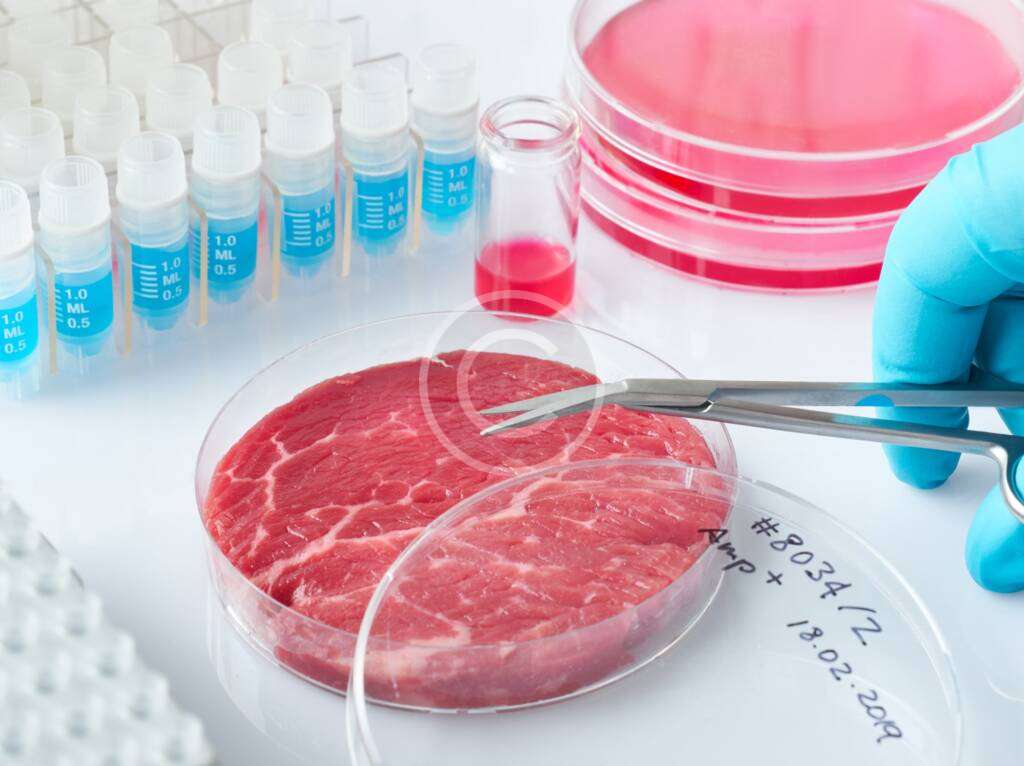


The healthcare industry is moving toward a more patient-centered approach, and personalized medicine is at the heart of this transformation. Pharmacies are playing an increasingly important role in delivering customized treatments tailored to individual patient needs. By combining advanced technology, genetic insights, and patient data, pharmacies are helping shape the future of personalized healthcare.
What Is Personalized Medicine?
Personalized medicine, also known as precision medicine, is an approach that customizes medical treatment based on a patient’s genetic makeup, lifestyle, and environment. Instead of using a one-size-fits-all method, healthcare providers can prescribe therapies that are more effective and have fewer side effects. Pharmacies are becoming key players in this evolving model by ensuring patients receive the right medication at the right dose.
The Expanding Role of Pharmacies
Modern pharmacies are no longer limited to dispensing medicines. They are evolving into healthcare hubs that provide a range of services, including medication management, health screenings, and patient counseling. With the integration of personalized medicine, pharmacists are now involved in interpreting genetic information and guiding patients on tailored treatments.
Pharmacists can review a patient’s medical history and recommend medications that are best suited to their genetic profile. This reduces the risk of adverse drug reactions and improves treatment outcomes. In addition, pharmacies are offering compounding services, where medications are customized to meet specific patient requirements.
Technology Driving Personalization
Technology is a major driver of personalized medicine in pharmacies. Electronic health records (EHRs), artificial intelligence (AI), and data analytics enable pharmacists to access and analyze patient information efficiently. These tools help identify patterns, predict drug responses, and optimize medication plans.
Pharmacogenomics, the study of how genes affect a person’s response to drugs, is also gaining traction. Pharmacies are increasingly incorporating pharmacogenomic testing into their services, allowing for more precise medication selection. This approach enhances patient safety and improves overall healthcare outcomes.
Benefits for Patients
The integration of personalized medicine in pharmacies offers several advantages:
- Improved Treatment Effectiveness: Tailored therapies lead to better results.
- Reduced Side Effects: Customized medications minimize adverse reactions.
- Better Medication Adherence: Patients are more likely to follow treatments that work effectively.
- Enhanced Patient Engagement: Personalized care fosters trust and satisfaction.
Challenges and Considerations
Despite its potential, personalized medicine in pharmacies faces challenges. The high cost of genetic testing and limited awareness among patients can slow adoption. Data privacy and security are also critical concerns, as sensitive health information must be protected. Additionally, pharmacists require specialized training to effectively interpret genetic data and provide accurate recommendations.
The Future Outlook
The future of pharmacies in personalized medicine is promising. As technology becomes more accessible and affordable, more pharmacies will adopt personalized healthcare solutions. Collaboration between pharmacists, healthcare providers, and research institutions will further enhance innovation.
Telepharmacy and digital health platforms are also expected to expand access to personalized services, especially in remote areas. With continuous advancements, pharmacies will play a central role in delivering precise, efficient, and patient-focused care.
Conclusion
Pharmacies are evolving into essential contributors to personalized medicine. By leveraging technology, genetic insights, and patient data, they are transforming how healthcare is delivered. As the demand for customized treatments grows, pharmacies will continue to lead the way in providing safer, more effective, and individualized care.
 =
=