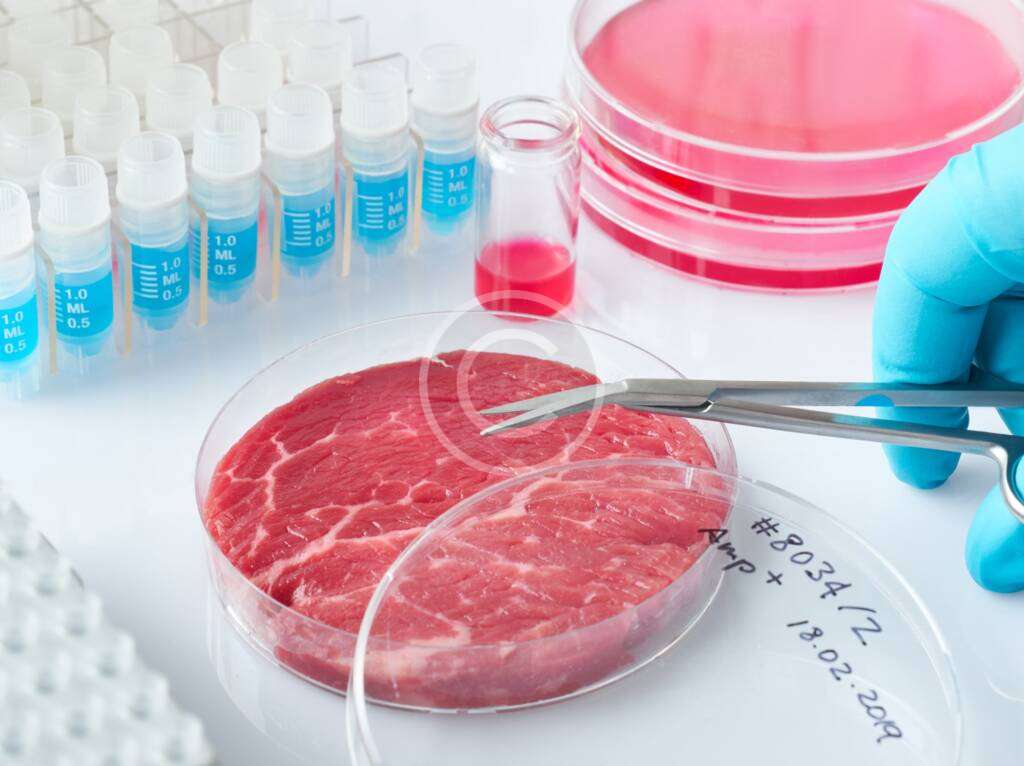


How Research Centers Are Tackling Infectious Diseases
Infectious diseases remain a major global health challenge, affecting millions of people every year. Research centers play a crucial role in combating these diseases through innovation, scientific discovery, and advanced medical solutions. From developing vaccines to improving diagnostic tools, these institutions are at the forefront of protecting public health.
Advanced Research and Innovation
Modern research centers are equipped with cutting-edge technology that allows scientists to study infectious pathogens in detail. By analyzing viruses, bacteria, and other microorganisms, researchers can understand how diseases spread and evolve. This knowledge is essential for creating effective treatments and preventive strategies. Continuous research also helps identify new and emerging infections before they become widespread threats.
Vaccine Development and Immunization
One of the most significant contributions of research centers is the development of vaccines. Vaccines have proven to be one of the most effective ways to control infectious diseases. Research institutions work tirelessly to design safe and effective vaccines through clinical trials and laboratory testing. Rapid vaccine development has become especially important in responding to global health emergencies, ensuring timely protection for populations at risk.
Improved Diagnostic Techniques
Early and accurate diagnosis is critical in managing infectious diseases. Research centers are developing advanced diagnostic tools that can detect infections quickly and precisely. Techniques such as molecular testing and rapid antigen tests allow healthcare providers to identify diseases at an early stage. Faster diagnosis leads to timely treatment and reduces the risk of disease transmission.
Use of Technology and Data Analytics
Technology is transforming how research centers tackle infectious diseases. Artificial intelligence and big data analytics are being used to track disease patterns and predict outbreaks. These tools help scientists and healthcare authorities respond more effectively by identifying high-risk areas and populations. Digital surveillance systems also improve global collaboration and information sharing.
Global Collaboration and Partnerships
Research centers often collaborate with international organizations, governments, and healthcare institutions. This global cooperation ensures that knowledge, resources, and expertise are shared efficiently. Joint research initiatives and data exchange help accelerate the development of treatments and preventive measures. Collaboration also strengthens the global response to pandemics and other infectious threats.
Addressing Challenges and Future Directions
Despite significant progress, challenges such as antibiotic resistance, limited funding, and unequal access to healthcare persist. Research centers are focusing on developing new antimicrobial drugs and exploring alternative therapies to combat resistant infections. Additionally, efforts are being made to make treatments and vaccines more accessible in low-resource regions.
Conclusion
Research centers are playing a vital role in tackling infectious diseases through innovation, collaboration, and advanced technology. Their work in vaccine development, diagnostics, and data analysis is helping to reduce the global burden of infections. As science continues to evolve, these institutions will remain essential in safeguarding public health and preparing for future health challenges.